How Urbanistic’s software is transforming the early planning phase of FRANKFURT WESTSIDE.
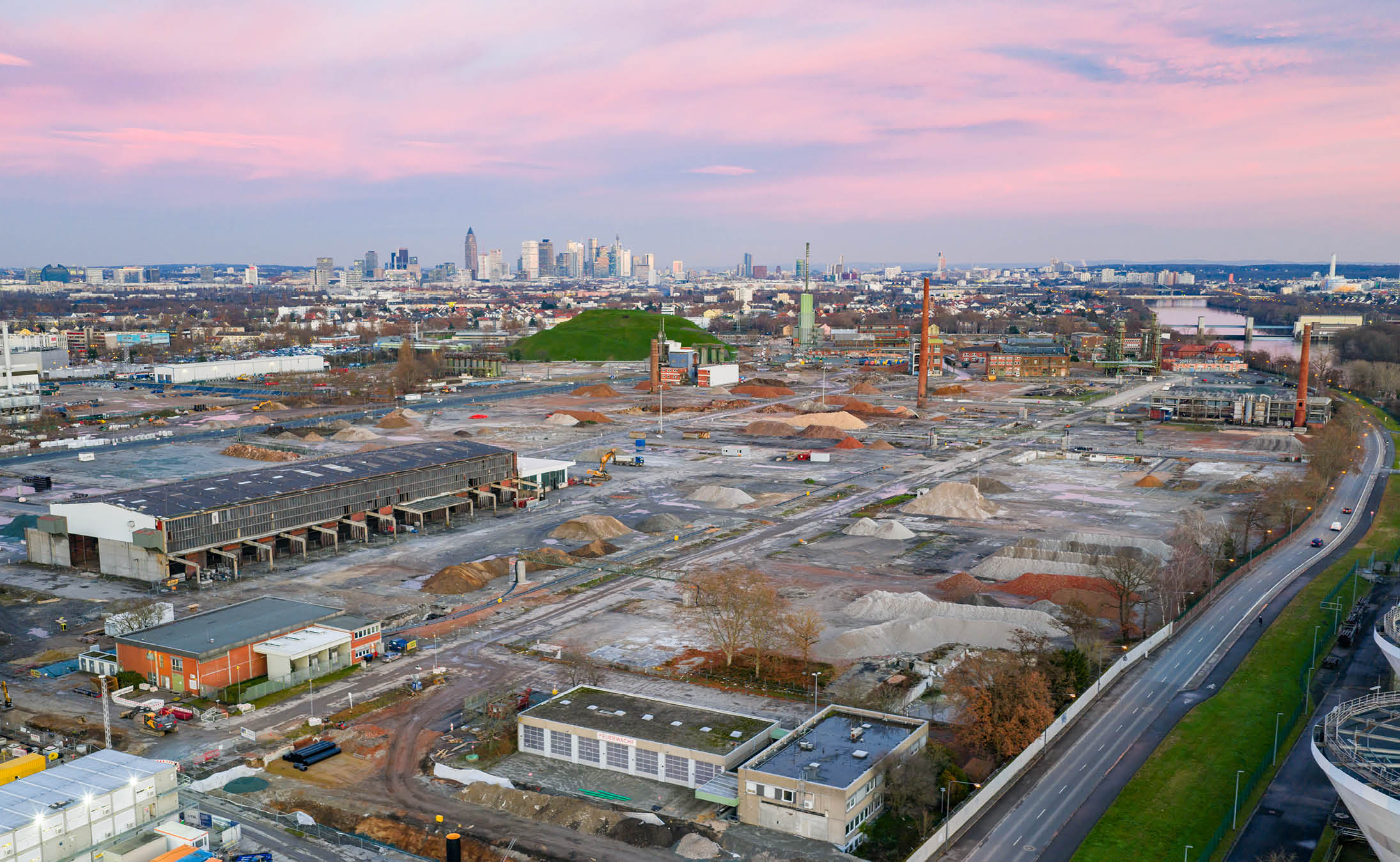
The development of modern neighbourhoods involves far more than just the design of buildings. It is about mixed-use development, flexibility, cost-effectiveness and sustainability. FRANKFURT WESTSIDE is committed to this approach and relies on a fully digital approach to planning.
At the heart of the early planning process is Urbanistic’s Urban Space Center software – a digital tool that takes planning, analysis and decision-making to a whole new level. It enables the project team to make complex data visible, comparable and strategically usable. For example, to efficiently and optimally allocate different rental applications within the neighbourhood.
The vision and pioneering status of FRANKFURT WESTSIDE
For the FRANKFURT WESTSIDE project team, the use of BIM (Building Information Modelling) is far more than just a technical decision.
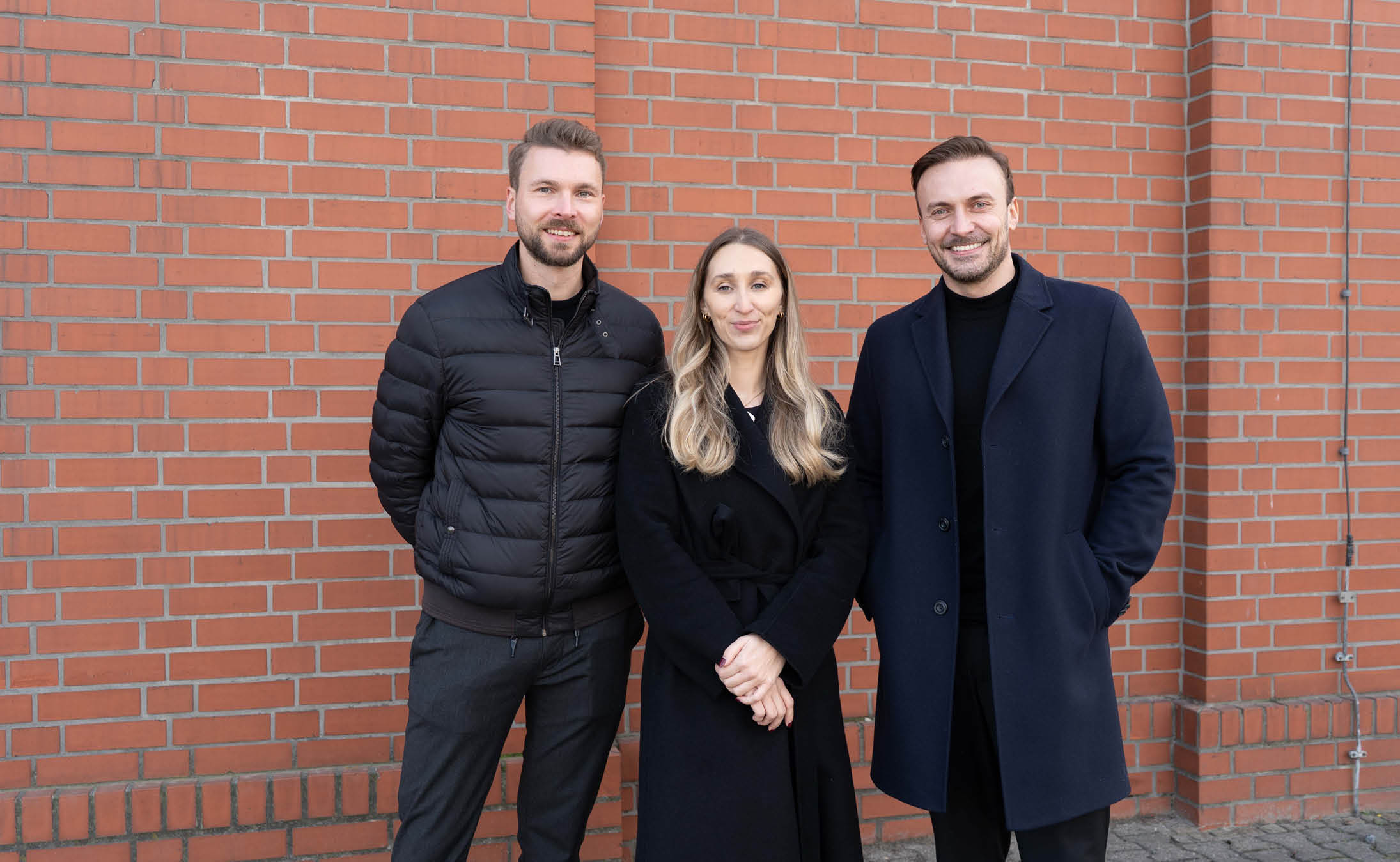
“Our vision is to apply BIM methodology and, above all, our digitalisation strategy across all stages of this neighbourhood development,” explains Waldemar Fuchs, Project Head Development Westside – Construction at BEOS AG.
This means moving away from traditional paper plans towards a fully digital planning process. As the planning progresses, the result is not just a three-dimensional model, but a data-driven foundation in which every component is tagged with relevant attributes – from areas and quantities, through costs and types of use, to technical metrics. This creates a comprehensive digital twin of the neighbourhood, which is utilised and further developed throughout the entire project duration. “The building is then not just a 3D model – every element has its own set of attributes. This allows us to work much faster, more flexibly and more agilely,” Fuchs continues. “We can now carry out the initial preliminary studies entirely independently.”
Data as a basis for strategic decision-making
Frederik Schilling, Managing Director of MÅT concept and BIM Manager, describes BIM as more than just a design tool:
“Ultimately, BIM is a methodological approach to how neighbourhoods should be planned today. We capture time, costs, quantities, dimensions and all other information that would otherwise be a by-product of the planning process, aggregate it into a single comprehensive data model, and use it throughout the entire duration of the project.”
This structured data model provides transparency – not only for the project team, but also for investors, developers and future users. Reliable key performance indicators are generated at a very early stage, enabling well-informed decisions to be made.
“These key figures enable us to establish a basis for decision-making at an early stage. The digital twin brings the project to life visually and gives everyone involved a clear idea of what we are going to achieve,” explains Schilling.
Flexible space planning in real time
The specific marketing and usage plans for the neighbourhood offer particular added value. Antonia Kramer, Project Head of Development Westside – Commercial at BEOS AG, describes the approach as follows:
“We have a preliminary concept that defines the four main axes within the neighbourhood*. Urbanistic’s software allows us to continually challenge this concept and check whether the different land uses are situated in the right places – or whether alternative concepts might actually work even better.”
When reviewing tenancy applications, the team can use the tool to explore the specific needs of individual tenants across different building types with great flexibility. Companies can directly experience and analyse various space options – including information on the surrounding area, such as infrastructure, parking facilities and nearby amenities.
“For interested companies, this means things can be done very quickly,” said Kramer. “We move very quickly from the initial urban design concept to a concrete proposal. Different options become immediately apparent and easy to compare.”
This flexibility not only speeds up internal processes, but also provides greater planning certainty for future users. The digitalisation strategy will support the project in the long term and lay the foundations for continuous improvement.
*Production, technology, innovation and creativity.
FRANKFURT WESTSIDE is a project by BEOS AG and Swiss Life Asset Managers Germany