
Where FRANKFURT WESTSIDE is now being built on 70 hectares, industrial history was made for over 160 years. In 1856, Ludwig Wilhelm Karl Baist a trained pharmacist, founded the “Frankfurter Aktiengesellschaft für landwirtschaftlich-chemische Fabrikate” (Frankfurt Joint-Stock Company for Agricultural and Chemical Products), thereby laying the foundation for the site’s industrial and chemical development.
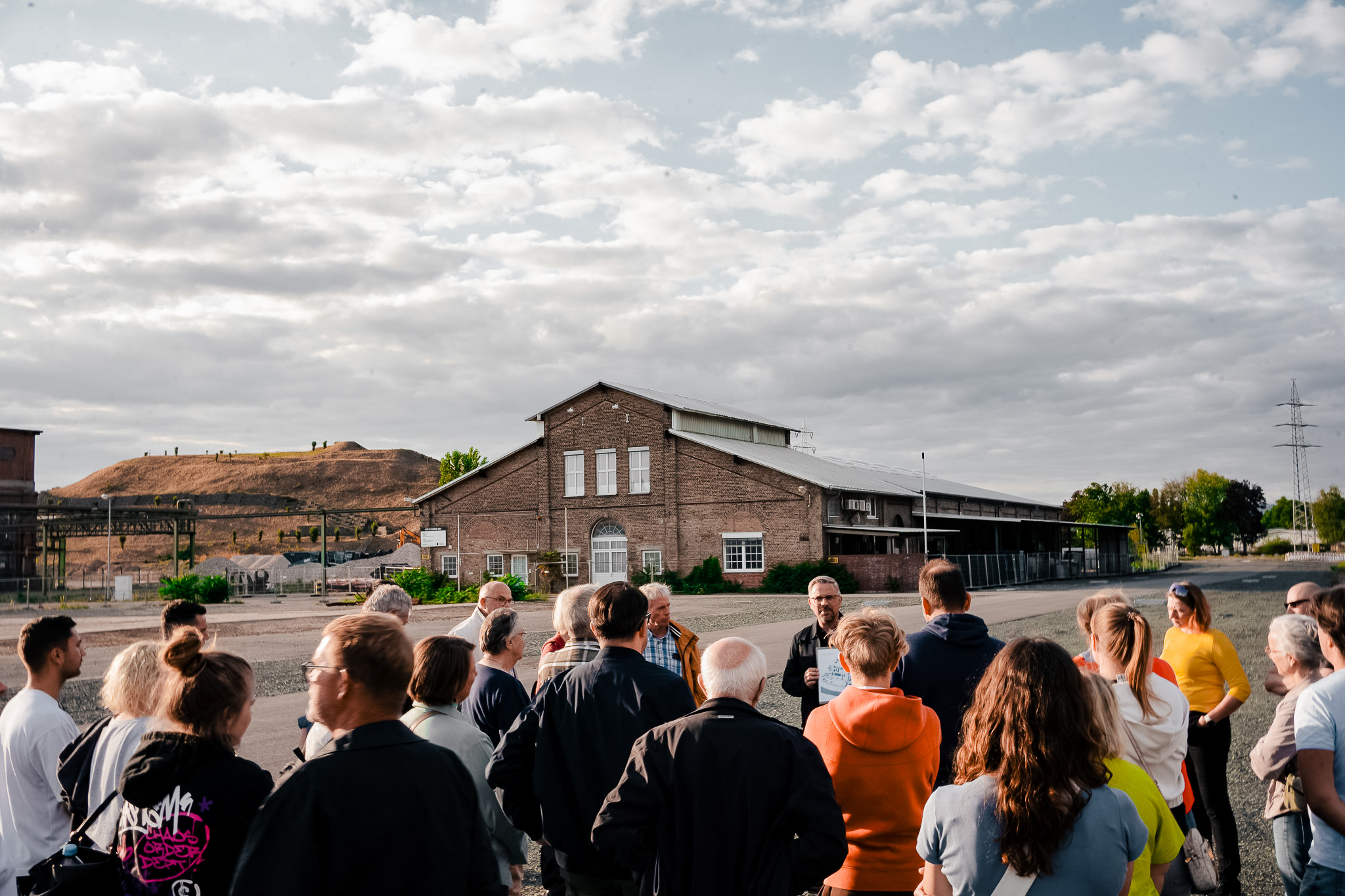
During the Industrial Heritage Days, local historian Sascha Mahl led a tour through the former industrial site and provided insights into the area’s history—sharing historical facts and personal memories.
Some buildings and structures from that era have been preserved to this day and are listed as historic landmarks. These include, among others, the so-called “Cathedral,” which was once part of the aniline factory. Anyone walking through the building today can even smell the past: the characteristic odor of chemical production is still detectable in some places. Sascha Mahl recounted stories from eyewitnesses who reported that this smell would linger on their clothes and in their hair after a day’s work—and thus was also present at home.
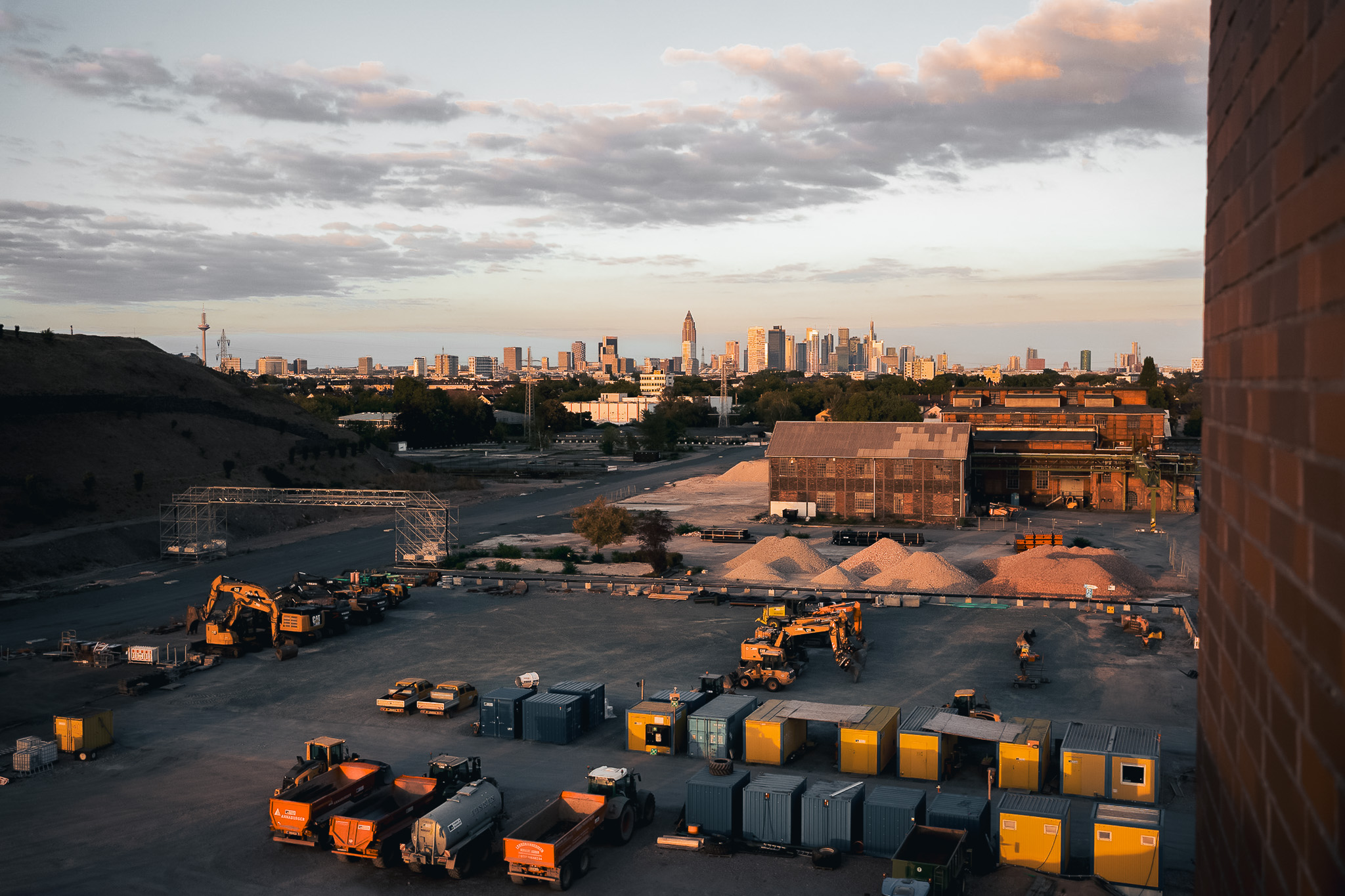
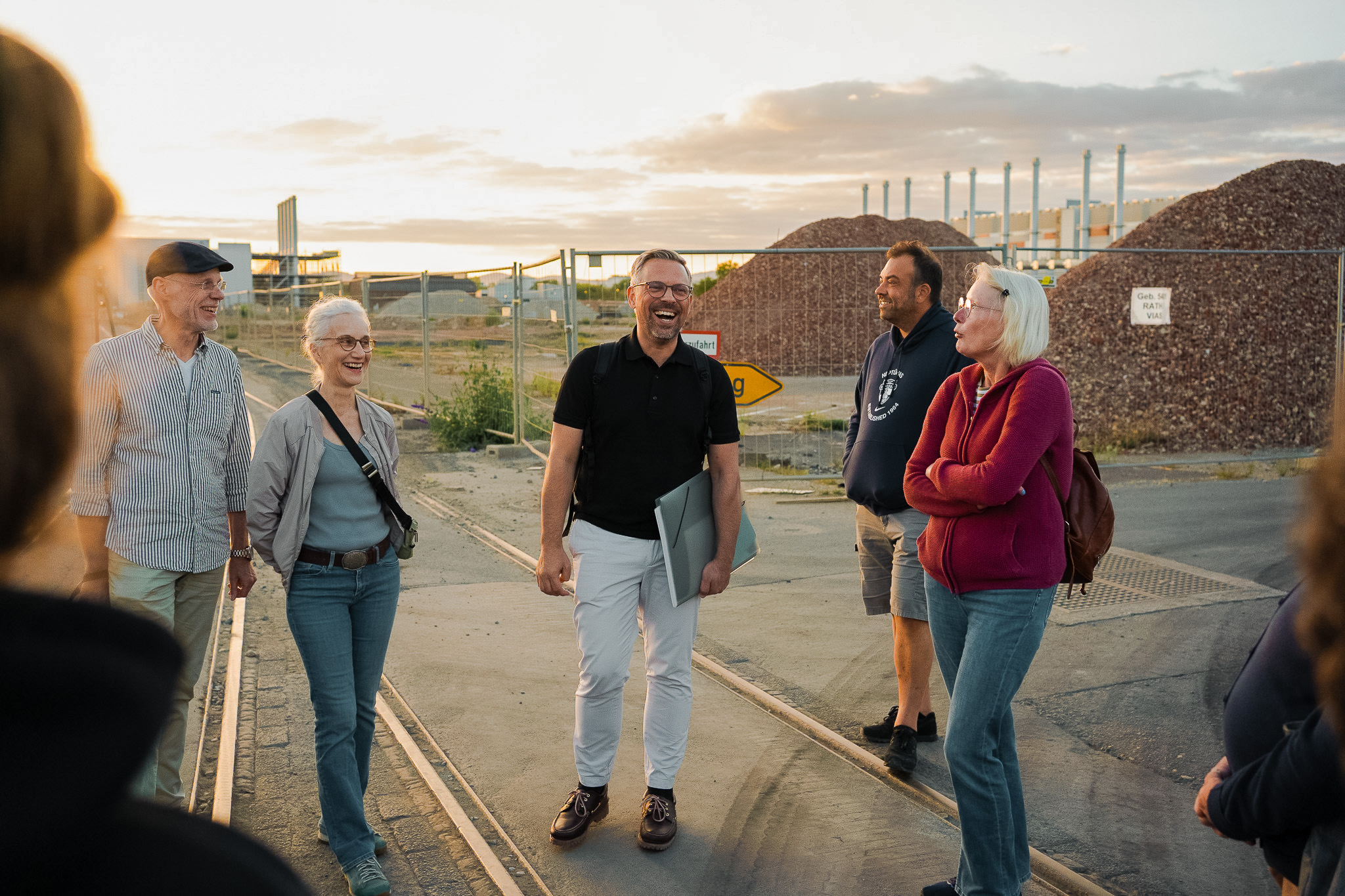
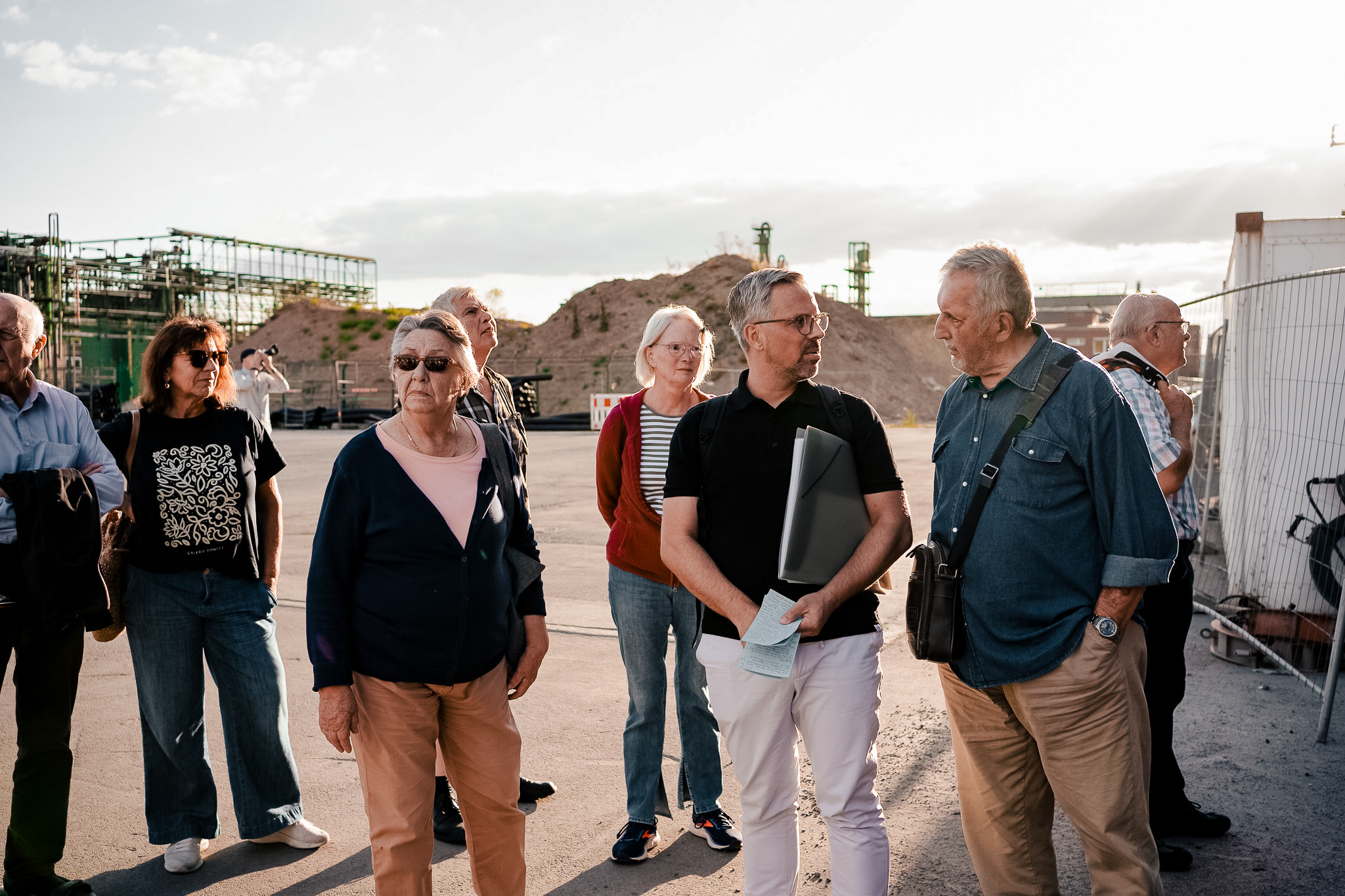
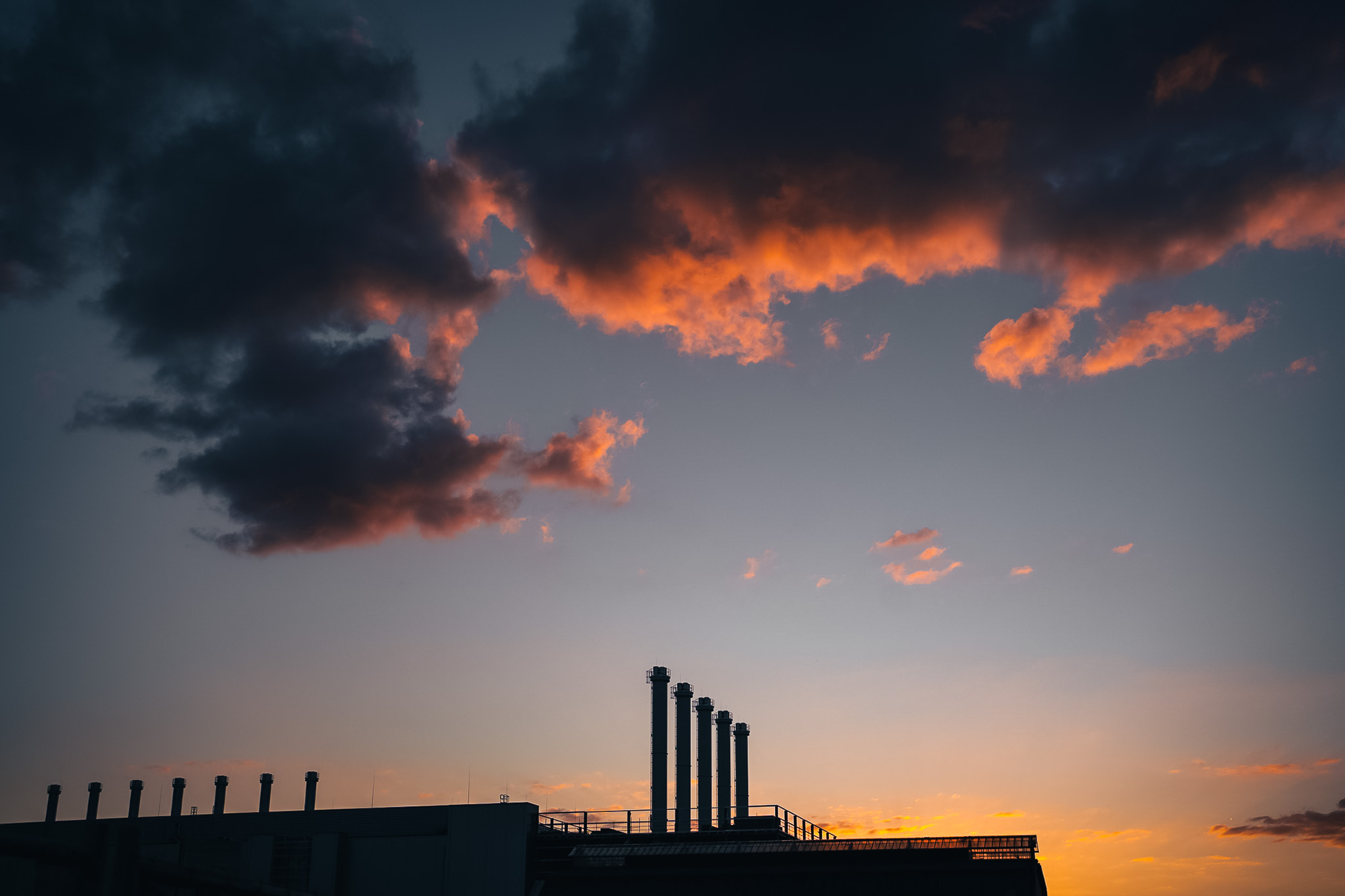
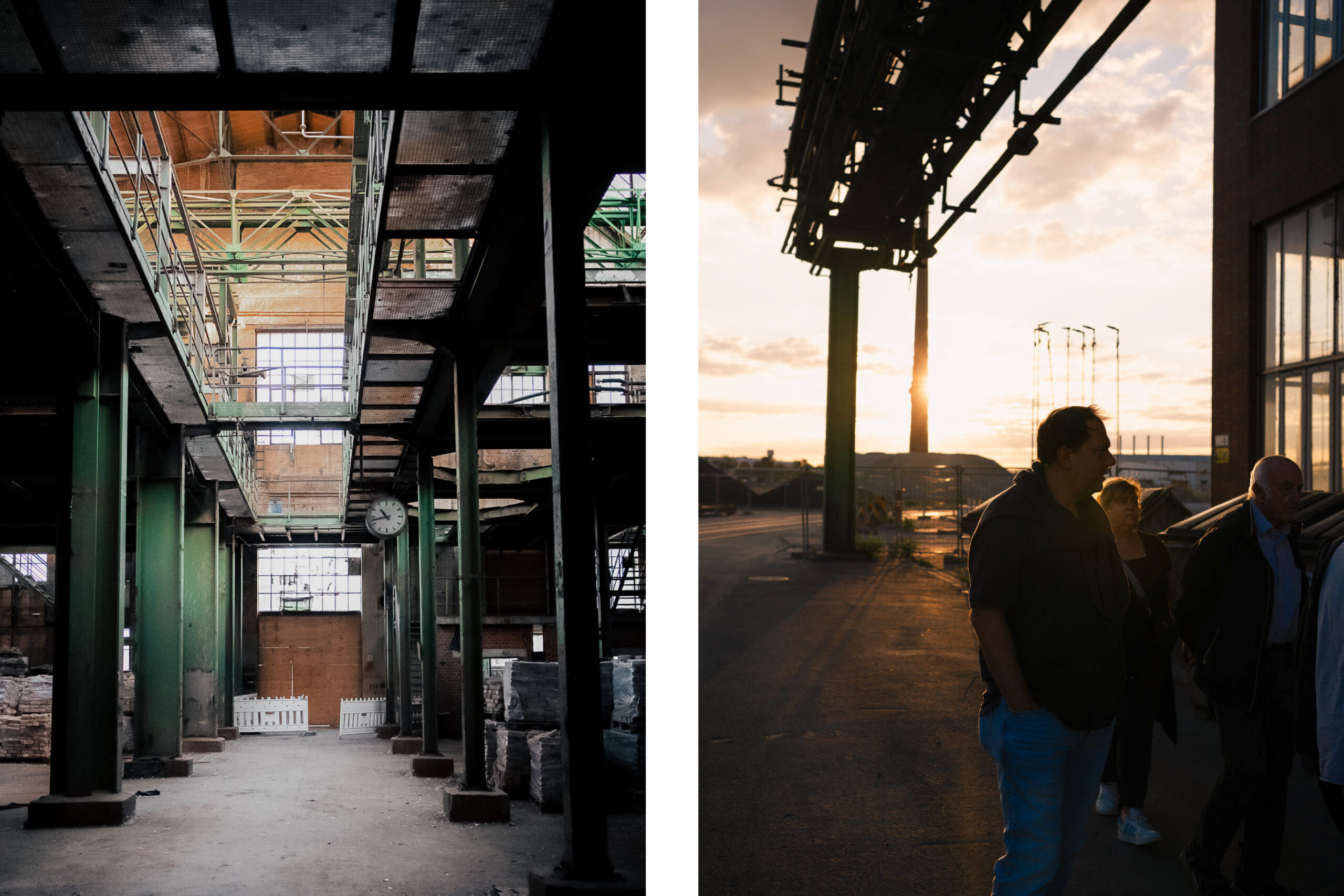
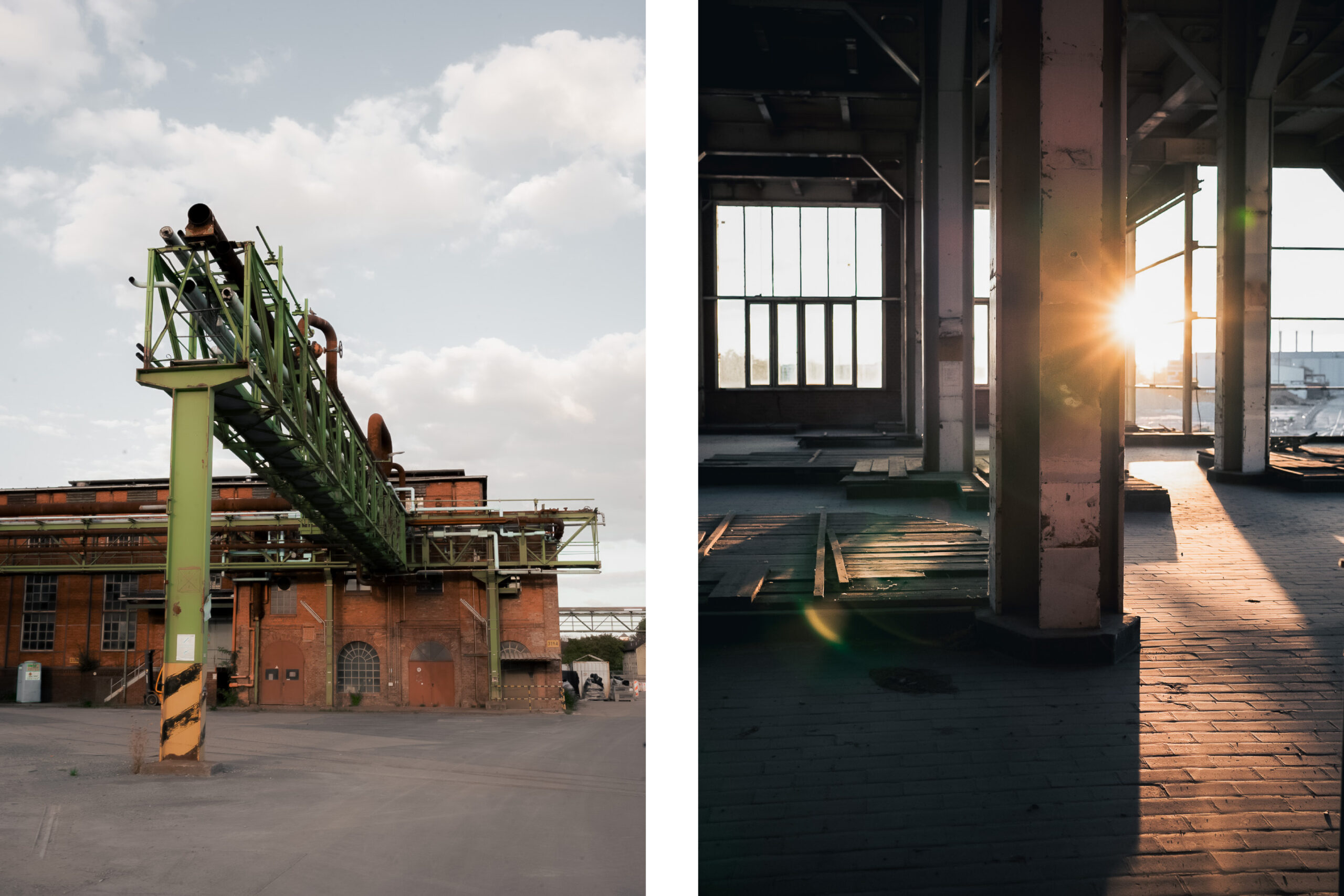
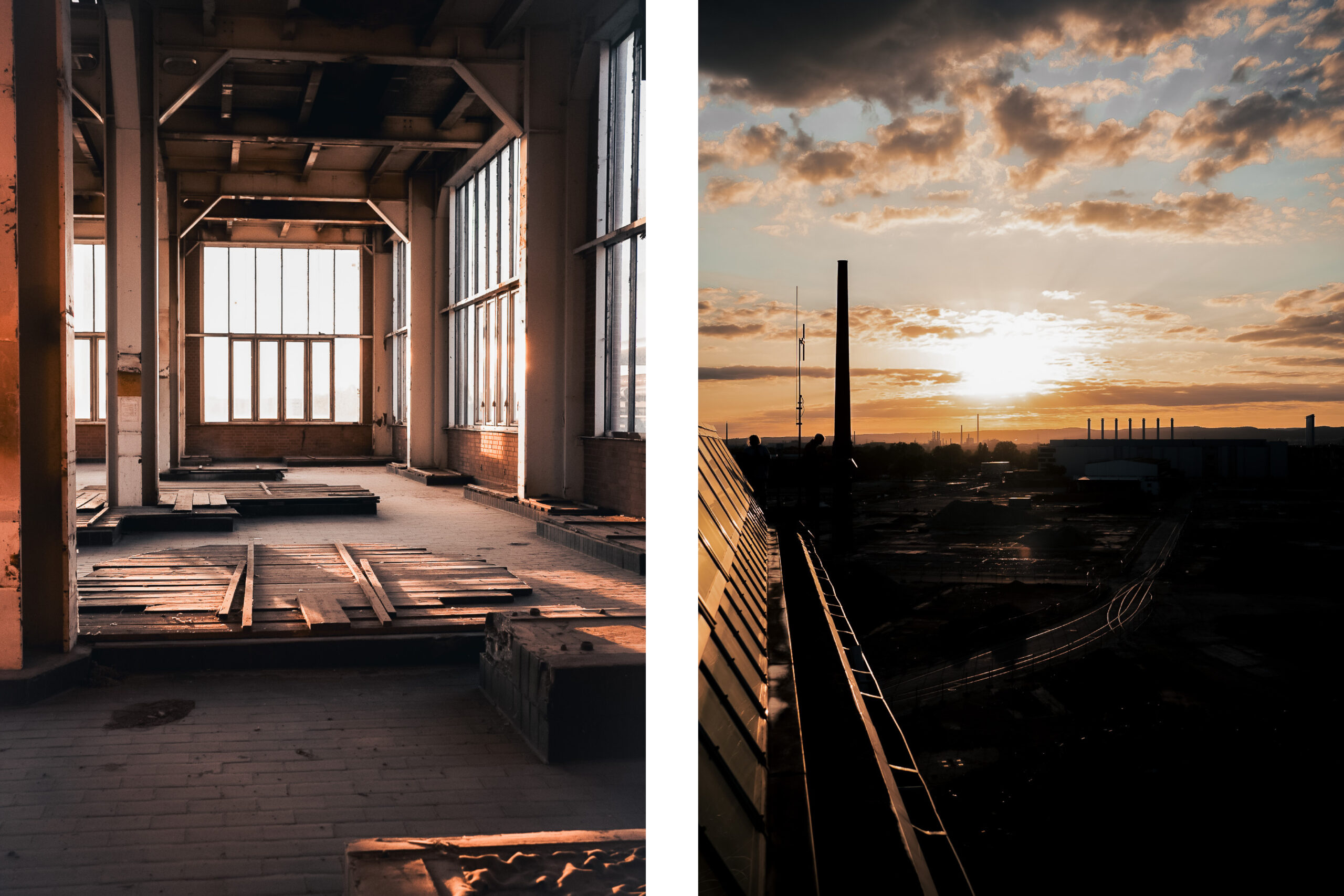
The tour highlighted just how closely industry, work, and everyday life were intertwined for decades. At the same time, a new transformation is taking place on the site today: With FRANKFURT WESTSIDE, the historic industrial site is being redeveloped and reimagined for the future. Renewable energy, smart integration of mobility and waste heat, as well as new open spaces for biodiversity, leisure, and recreation are all part of this development.
As part of this development, the neighborhood’s former factory roads are also being given official street names. These names draw on the site’s history and commemorate the people and past uses that shaped Griesheim and the former industrial area. Among them are Ludwig Baist, the first plant director of the Griesheim Chemical Factory; Philipp Belschner, the plant architect; Clara Trier, the benefactor; and Heiner Hamburger, the architect. At the same time, streets named after figures such as Emma Niedermann and Aleksandra Temnikova serve as a reminder of the responsibility to keep the difficult chapters of the site’s history during the Nazi era visible.